Alsace Essentials
Alsace through repeated trips from Zurich, with the essentials of dry Riesling, aromatic grape varieties, Grand Cru vineyards, sweetness styles and food pairing.
.jpeg)
We have been to Alsace a few times because it is only about a two-hour drive from where we now live in Zurich, Switzerland. That proximity has made it one of the wine regions we can return to relatively easily — and it is a region that really changed the way we think about Riesling.

If you are from the United States, your first experience with Riesling may have been a sweeter style. That can create the impression that Riesling is simply a sweet wine. Alsace is a wonderful place to discover how wrong that assumption can be.
Riesling in Alsace
Riesling is one of Alsace’s great grapes and often produces wines that are dry, aromatic, high in acidity and intensely expressive. Typical flavors can include citrus, green apple, white flowers, stone fruit and, with age, more complex savory or petrol-like notes.
One of the things we love about good Alsace Riesling is the combination of freshness and intensity. The wines can feel precise and energetic rather than heavy, with acidity that keeps them lively at the table.
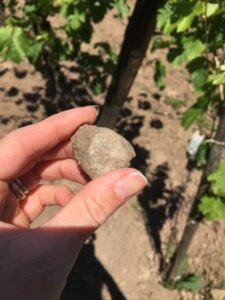
Wine lovers often describe the best examples as having a mineral or stony character. That language is useful as a sensory description, even though the relationship between vineyard geology and perceived “minerality” in a finished wine is more complex than simply tasting minerals from the soil.
Why Alsace is different
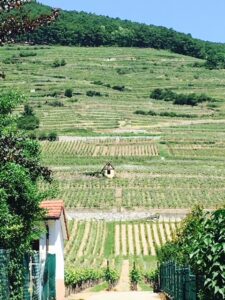
Alsace sits in northeastern France, along the eastern slopes of the Vosges Mountains near the German border. Its history and culture reflect both French and German influences, and that combination is visible in the architecture, food, language and wine traditions.
The Vosges create a rain-shadow effect, making Alsace one of the drier wine regions in France. Long, relatively dry growing seasons help grapes ripen while retaining acidity, which is especially important for aromatic varieties such as Riesling.
More than Riesling
Riesling may be one of the region’s stars, but Alsace is also famous for several other aromatic grape varieties.
Gewürztraminer produces highly perfumed wines with notes of lychee, rose and spice. Pinot Gris can be rich and textured, while Muscat tends to be floral and fresh. Pinot Blanc often provides approachable, food-friendly whites, and Pinot Noir has become increasingly important for red wine.
Unlike many French regions, Alsace wines are commonly labeled by grape variety, which makes them relatively easy to understand once you know the key names.
Understanding sweetness
Alsace is often associated with dry white wine, but not every bottle is bone-dry. Style varies by producer, grape and vintage, and some wines can carry noticeable residual sugar.
If you prefer dry Riesling, it is worth checking the producer’s style or any sweetness indication on the label rather than assuming every Alsace Riesling will taste the same.
At the sweeter end of the spectrum, Alsace also produces late-harvest wines such as Vendanges Tardives and Sélection de Grains Nobles, which can be rich, concentrated and long-lived.
Grand Cru vineyards
Alsace has a system of Grand Cru vineyards recognizing specific sites considered especially capable of producing distinctive wines. These vineyards vary significantly in soil, exposure and altitude, which is one reason Alsace can be such an interesting region for comparing the same grape across different places.
For someone interested in terroir, tasting Riesling from different Alsace vineyards is a particularly good way to explore how site can influence style.
Value and food pairing
One of the pleasant surprises for us has been the value available in Alsace. Excellent bottles can often cost much less than similarly serious wines from some of France’s more famous regions, although prices naturally vary by producer and market.
The wines are also extremely versatile with food. Riesling works beautifully with fish, shellfish, pork and many Asian dishes; Gewürztraminer can handle aromatic spices; and the region’s wines make particular sense alongside the local cuisine, including sausages, pork, sauerkraut and rich savory dishes.
For us, Alsace was one of the regions that demonstrated just how compelling fine, dry Riesling can be.
The Alsace Essentials video on this page gives the broader overview.
What to remember about Alsace
- Riesling is one of Alsace’s defining grapes and often produces dry, high-acid, aromatic wines.
- The Vosges Mountains create a dry rain-shadow climate that helps grapes ripen while preserving freshness.
- Alsace is also important for Gewürztraminer, Pinot Gris, Muscat, Pinot Blanc and Pinot Noir.
- Wines are commonly labeled by grape variety, making the region relatively accessible to learn.
- Not every Alsace wine is completely dry; sweetness varies by producer and style.
- Alsace has designated Grand Cru vineyards and can offer excellent quality at comparatively approachable prices.