Burgundy Essentials
Burgundy through Beaune, terroir, Pinot Noir and Chardonnay — with the essentials of vineyard classification, Old World style and the region’s food culture.

The city of Beaune, in the heart of Burgundy, is roughly a three-hour drive from our home in Zurich, which makes this one of the great wine destinations within relatively easy reach for us. For wine lovers, Burgundy is a must.

Few regions make the idea of terroir feel more tangible. Burgundy is a patchwork of small vineyard parcels, many separated by only a road, a wall or a change in slope, yet capable of producing wines with noticeably different character.
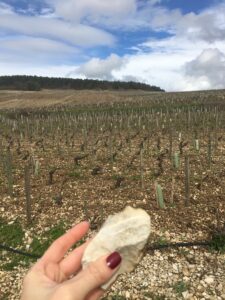
Why terroir matters so much in Burgundy
In Burgundy, terroir refers to the interaction of soil, slope, elevation, exposure, drainage, climate and human tradition. The region is famous for its climats: precisely defined vineyard sites that have been recognized and cultivated individually for centuries.
This helps explain why Burgundy can be both fascinating and intimidating. Two neighboring vineyards planted to the same grape can command dramatically different reputations and prices because of subtle differences in site and historical classification.
Some of these vineyards are among the most cherished — and most expensive — in the world. For Pinot Noir enthusiasts in particular, names such as Romanée-Conti, La Tâche, Chambertin and Musigny have almost mythical status.
Pinot Noir: Burgundy’s great red grape
Pinot Noir is the defining red grape of Burgundy. Compared with many warmer-climate examples from places such as California, Australia or parts of New Zealand, red Burgundy often emphasizes perfume, acidity, earthiness, savory complexity and texture rather than sheer ripeness or power.
That does not mean every Burgundy is earthy or every New World Pinot is fruit-driven. Producer, vintage and vineyard site matter enormously. But as a broad stylistic tendency, Burgundy often shows red cherry, cranberry, rose, spice, forest floor, mushroom and other savory notes, with fine tannins and a silky texture.
The aromatics can be extraordinarily complex, and this combination of delicacy and intensity is a major part of Pinot Noir’s appeal.
Do not forget Chardonnay
Burgundy is just as important for Chardonnay as it is for Pinot Noir. Some of the world’s most celebrated white wines come from the Côte de Beaune, especially villages such as Meursault, Puligny-Montrachet and Chassagne-Montrachet.
Farther north, Chablis offers another expression of Chardonnay altogether: typically leaner, more mineral in character, and strongly shaped by its cool climate and limestone-rich soils.
Understanding Burgundy therefore means remembering both sides of the region: Pinot Noir for red Burgundy and Chardonnay for white Burgundy.
How the classification works
Burgundy’s hierarchy is essentially geographic. At the broadest level are regional wines such as Bourgogne. Above them are village wines, then Premier Cru vineyards, and at the top, Grand Cru vineyards.
The important idea is that the classification increasingly narrows the place of origin. In Burgundy, the vineyard itself can be more important than the producer’s brand name, which is one reason labels can seem complicated at first.
Beaune, food and the experience of Burgundy
Beaune is an ideal base for exploring the region. Surrounded by famous vineyards and historic villages, it sits at the center of a wine culture that is inseparable from Burgundy’s food traditions.

The food in and around Burgundy is outstanding, and the wines make even more sense at the table. Dishes based on beef, poultry, mushrooms, cheese and rich sauces can bring out the earthy, savory side of Pinot Noir, while local white Burgundies pair beautifully with fish, poultry and cream-based dishes.
For us, that combination — vineyards, history, food and proximity to home — is what makes Burgundy such a compelling destination.
The Burgundy Essentials video on this page gives the broader overview.
What to remember about Burgundy
- Terroir is central to Burgundy: small differences in site can create major differences in wine.
- Pinot Noir is Burgundy’s defining red grape.
- Chardonnay is equally important for the region’s great white wines.
- The classification moves from regional → village → Premier Cru → Grand Cru.
- Red Burgundy often emphasizes aroma, acidity, texture and savory complexity rather than sheer power.
- Beaune is one of the best bases for experiencing Burgundy’s vineyards, food and wine culture.