Piedmont Essentials
A family connection to Piedmont, with the essentials of Barolo, Barbaresco, Nebbiolo, Barbera, Nizza DOCG and the food culture of the Langhe and Monferrato.
.jpeg)
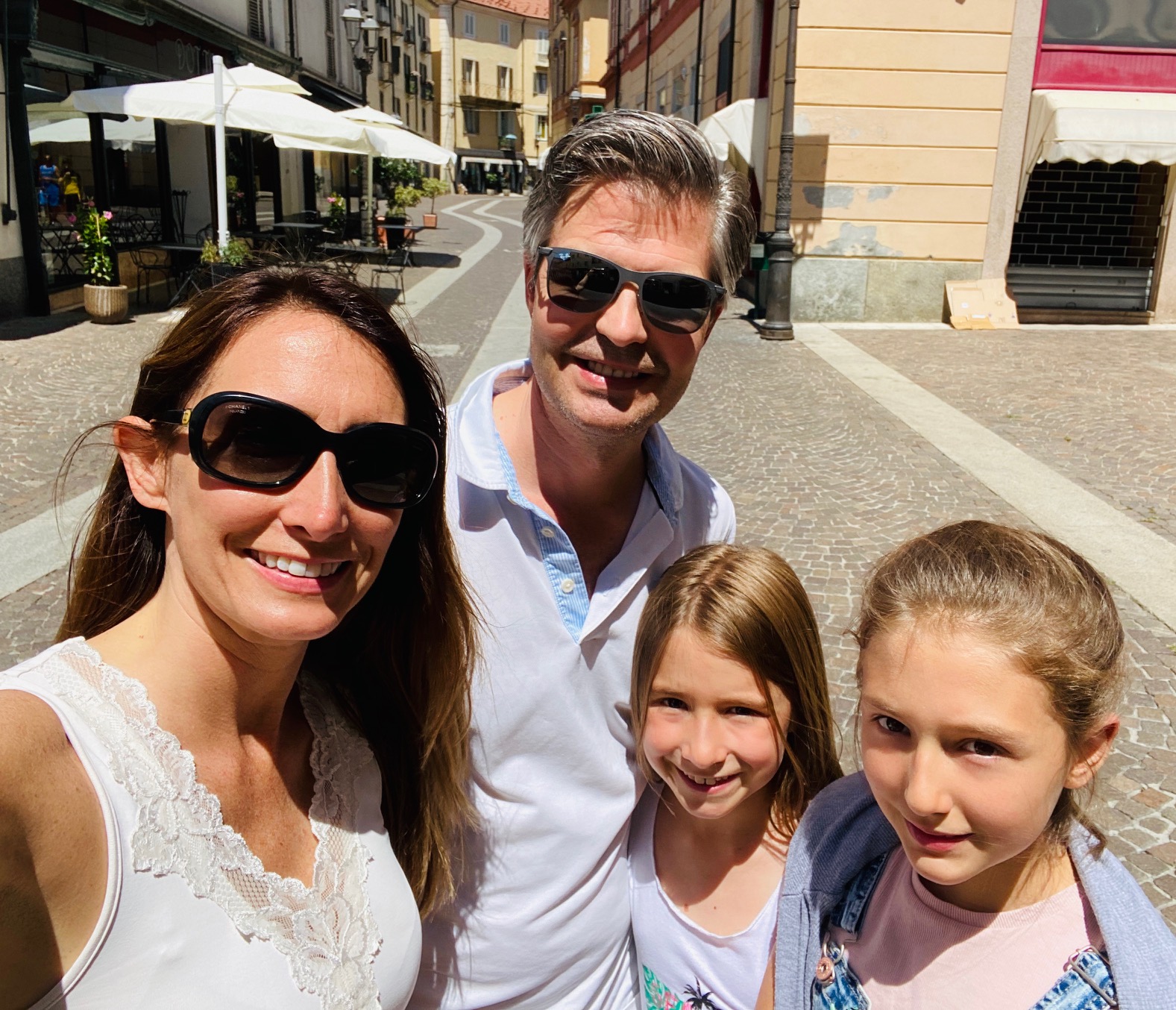
Piedmont is special to our family on many levels. For one thing, it is home to two of Italy’s great wines: Barolo and Barbaresco. Both are made from the Nebbiolo grape, and the finer examples can be extraordinary.
Nebbiolo is a fascinating grape because it combines perfume and delicacy with serious structure. In the glass you often find aromas of roses, cherries, dried herbs, earth and, with age, more savory notes such as leather and truffle. At the same time, Nebbiolo naturally brings high acidity and firm tannins, which is why top Barolo and Barbaresco often benefit from time in the bottle. Young examples can feel powerful and tightly wound; with age, they become more complex, aromatic and harmonious.
Barolo and Barbaresco: what is the difference?
Both wines come from the Langhe hills of southern Piedmont, but they are produced in different zones. Barolo is generally associated with greater power, structure and longevity, while Barbaresco is often described as somewhat more approachable in its youth. Those are broad generalizations rather than hard rules: vineyard site, producer and vintage can matter just as much as the name on the label.
If you are new to Nebbiolo, the key thing to remember is that these are not big wines simply because they are dark and heavy. In fact, Nebbiolo can look surprisingly pale in the glass. Its intensity comes from aroma, acidity, tannin and length rather than sheer color or richness.
Try them and you’ll see what we mean. The video on this page gives more of the essentials.
Barbera and the wines of Nizza
We also love the Barbera wines from the area around Nizza Monferrato, which I do not cover in the video. Barbera is very different from Nebbiolo. It typically has vibrant acidity, generous fruit and much softer tannins, making it especially versatile at the table.
Nizza DOCG is dedicated to high-quality Barbera from a defined area around Nizza Monferrato. The designation reflects the long history of Barbera in these hills and the effort to identify the grape’s most serious expressions. A good Nizza can offer ripe cherry and plum fruit, spice, freshness and enough structure to age, while still remaining wonderfully food-friendly.
Why place matters here
Piedmont’s great wines are inseparable from its landscape. The Langhe, Roero and Monferrato hills form a patchwork of vineyard slopes, villages and small valleys, and subtle differences in exposure, altitude and soil can have a remarkable effect on the wine in the glass. This is one reason Piedmont rewards curiosity: two wines made from the same grape only a short distance apart can taste distinctly different.
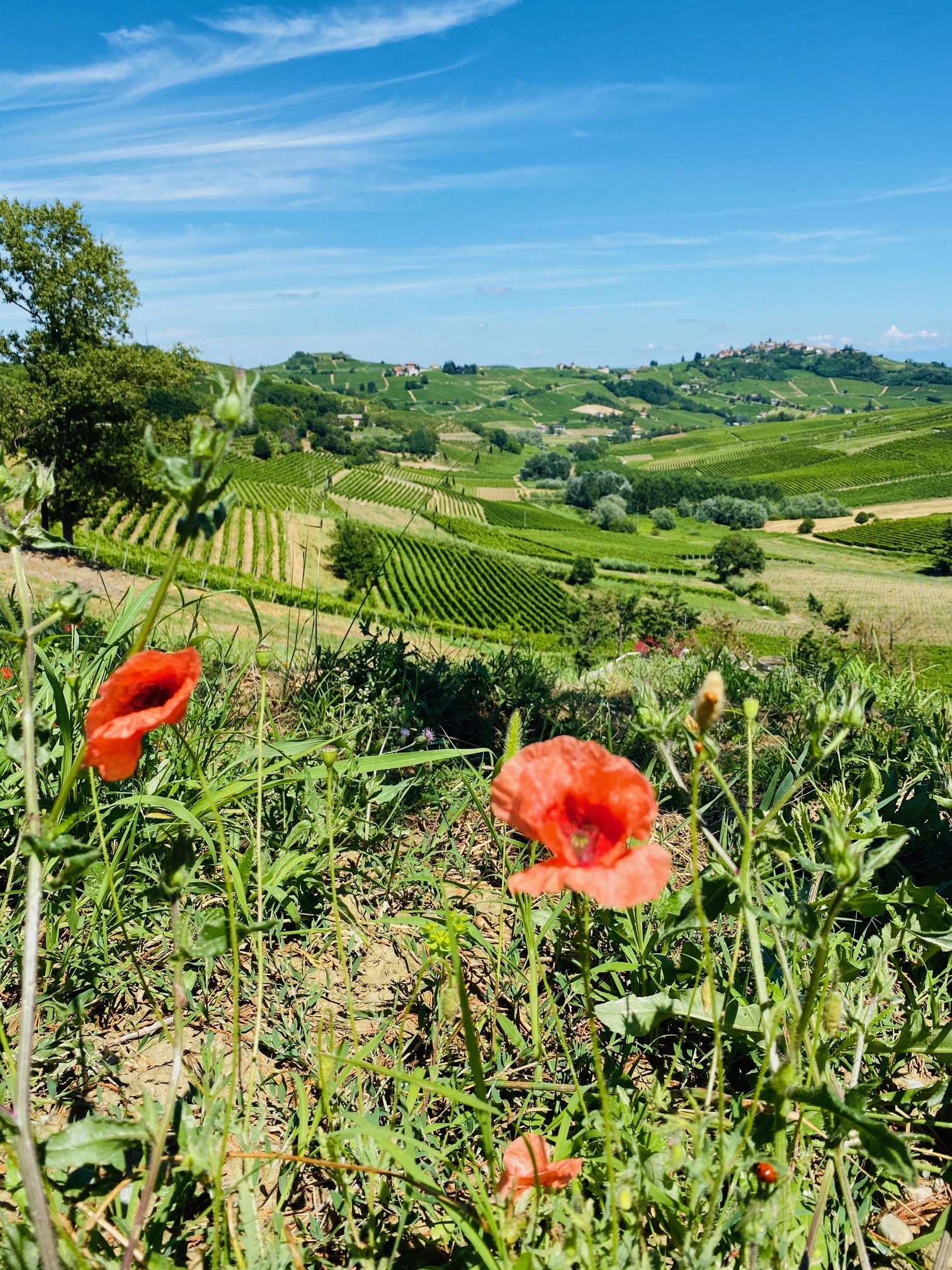
We love this area so much that we purchased a property, Cascina Berchi, in the middle of the vineyards within the UNESCO-listed vineyard landscape near Nizza. It gave our family a much more personal connection to a region we had already come to love through its wine and food.
A destination for food as much as wine
Piedmont is also a serious food destination. The cuisine tends to be rich, seasonal and deeply connected to the local landscape, which makes it particularly well suited to the region’s wines. Nearby Alba is famous for the prized white Alba truffle, celebrated each autumn during its truffle season and festival.
This combination of wine, food, landscape and family memory is what makes Piedmont so compelling for us. It is a place where learning about wine does not feel separate from experiencing it: the vineyards, villages, meals and bottles all reinforce one another.
What to remember about Piedmont
- Nebbiolo is the key grape behind Barolo and Barbaresco.
- Barolo and Barbaresco are typically high in acidity and tannin and can reward bottle age.
- Barbera offers brighter fruit, high acidity and softer tannins, making it an excellent food wine.
- Nizza DOCG is one of the leading appellations for high-quality Barbera.
- Piedmont is as much about place and food culture as it is about individual wines.
Stay in Piedmont: Cascina Berchi
Our family connection to Piedmont also includes Cascina Berchi, our restored 19th-century farmhouse in Fontanile, in the Monferrato wine country. If you are considering a trip to the region, you can explore Cascina Berchi and our guide to staying in Piedmont wine country here.